
When the Link Dies: Why Out-of-Band Access Is the Missing Half of Monitoring
Every monitoring tool dies with the link it rides on, which means you lose visibility at the exact moment a site goes down. Out-of-band access is the missing half: a separate path home that survives the outage it's reporting. Here's how it works, what good looks like, and why it pays for itself in avoided truck rolls.
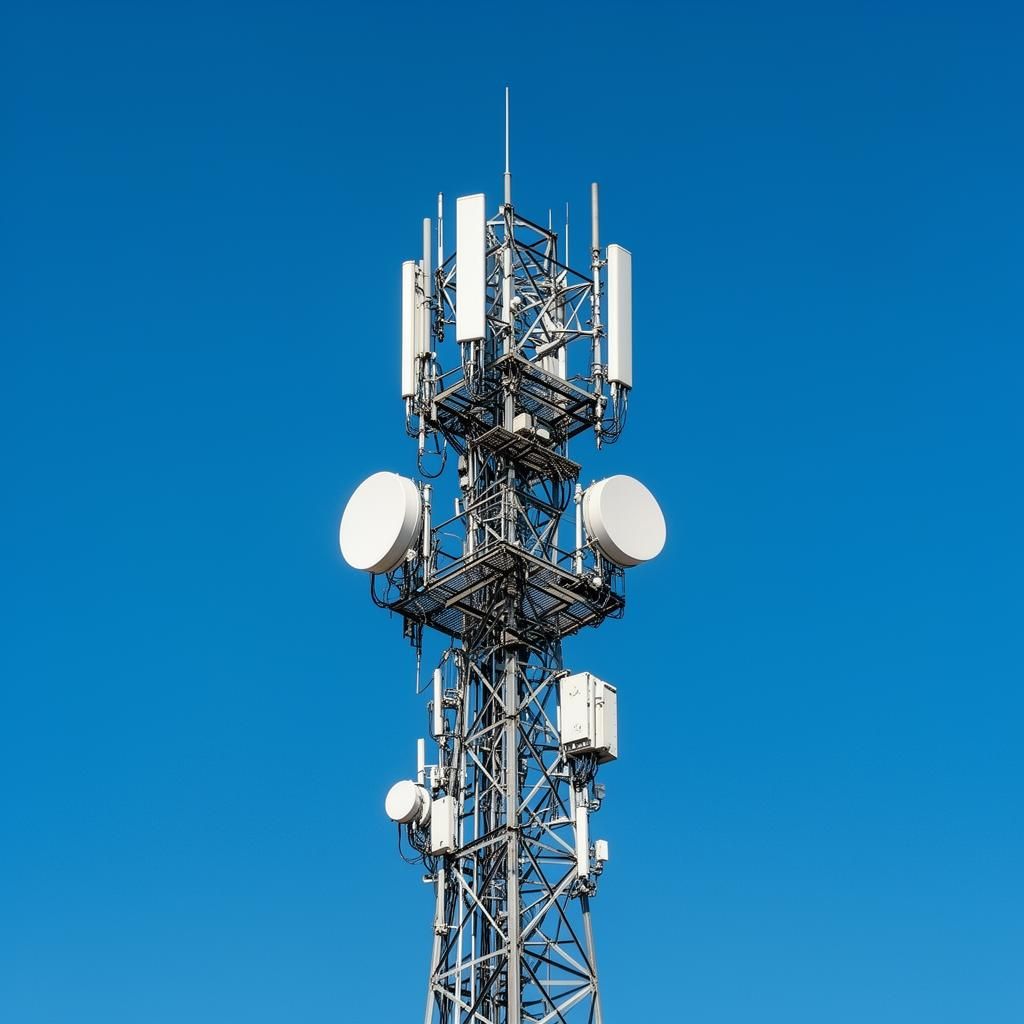
There's a quiet flaw in most monitoring setups, and you only meet it on your worst day. The monitoring runs over the network it's watching. So when the WAN drops, the router hangs, or the carrier has a bad night, your dashboards don't show you the problem, they show you nothing. You're blind at the exact moment you most need to see.
Out-of-band access is the missing half of monitoring: a separate way in that doesn't depend on the thing that just failed.
In-band vs out-of-band, plainly
In-band means your management traffic shares the production path, same fiber, same router, same uplink. It's cheap and simple, and it works right up until that path is the problem.
Out-of-band (OOB) means a second, independent path exists purely for reaching the site, most practically, a cellular (GSM/LTE) channel that has nothing to do with the production WAN. When the primary link is down, the OOB path is still up, and you can still get in.
Rule of thumb: if losing one cable, one router, or one carrier takes away your ability to see and act, you don't have out-of-band, you have a single point of failure with extra steps.
What good out-of-band looks like
Not all OOB is equal. Four properties separate the real thing from a checkbox:
- 1Independent path. The cellular channel is physically and logically separate from the production network. If the WAN, fiber, or router fails, your way in doesn't.
- 2On-demand, not always-open. A standing remote door is a standing risk. The channel should open when you need it and close when you're done.
- 3Encrypted end to end. Out-of-band is not a synonym for insecure. The session is authenticated and encrypted like any other privileged access.
- 4Enough reach to act. Seeing "site down" over OOB is table stakes. The win is being able to pull status, reach devices, power-cycle a stuck CPE, or open a console, and decide whether anyone needs to drive out at all.
The economics: truck rolls and MTTR
The business case writes itself once you price a site visit. A single roll to an unstaffed or remote facility, drive time, on-call hours, sometimes a vendor, can cost hundreds to thousands of dollars, and it adds hours to mean-time-to-recovery while the issue festers.
A large share of those visits exist only to answer a question you could have answered remotely: is it the link, the device, or the power? Out-of-band access turns many would-be truck rolls into a five-minute remote triage. Even a modest deflection rate pays for the hardware quickly, and the bigger prize is the outage you shorten from hours to minutes.
"But isn't a second path a security risk?"
It's the most common objection, and a fair one. The answer is that an out-of-band path is safer than the alternatives people actually use under pressure, the personal hotspot, the temporary firewall hole, the shared VPN credential someone spins up at 2 a.m. and forgets to tear down.
Done properly, OOB is:
- Closed by default, opened on demand, torn down automatically.
- Access-controlled, tied to real identities and roles, fully logged.
- Encrypted, no plaintext management traffic over the air.
That's a smaller, auditable attack surface than the improvised access a blind team resorts to in a crisis.
How gatewAI approaches it
ProDCIM runs on gatewAI hardware that builds this in. The site keeps reporting over its primary link as normal, but the moment that link drops, gatewAI can raise a secure, temporary channel over the cellular network. You stay connected to the site, see live status, reach the devices, and triage the fault, before deciding whether a truck even needs to roll. The site LAN keeps the local devices talking to the gateway throughout, so you're not just watching a black box; you're operating it.
The design goal is simple to state and hard to fake: access that survives the outage it's reporting.
A short checklist
Before you call a site "monitored," confirm:
- A cellular/OOB path exists that's independent of the production WAN.
- You can act over it (reach devices, power-cycle, console), not just see "down."
- The channel is on-demand, encrypted, and access-controlled.
- Every OOB session is logged.
- Someone has actually tested it by pulling the primary link.
The last one matters most. Out-of-band is the one capability you never want to test for the first time during a real outage.
Curious how out-of-band failover would work across your sites? [Talk to an engineer](/company/contact/).
See it on your own racks
Book a walkthrough mapped to your environment: monitoring, asset management and out-of-band resilience across every site.
More insights
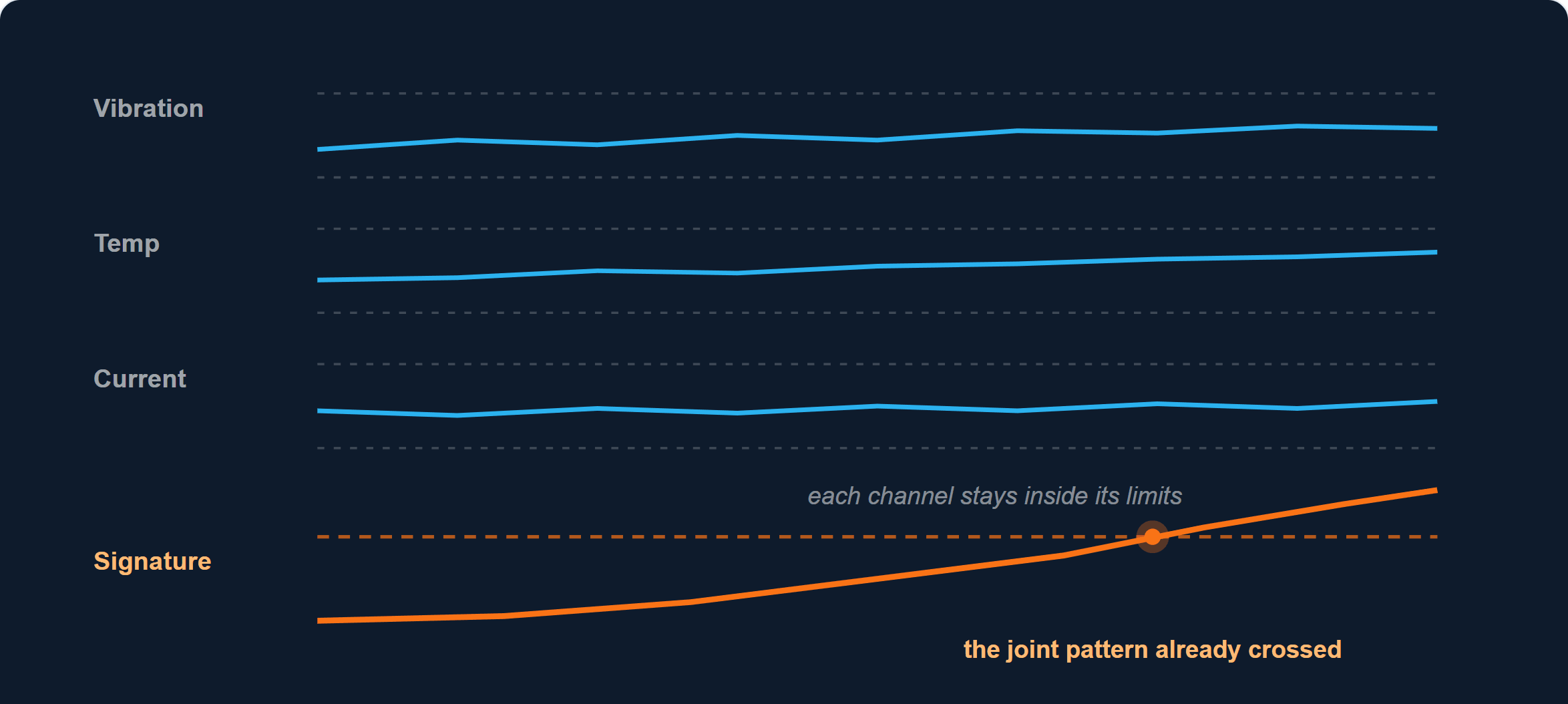
Your Equipment Told You It Was Failing. Nothing Was Listening for the Pattern.
No single parameter exceeded its limit before failure. Every reliability engineer has read that line. The failure was still legible, weeks early, in how several in-range readings moved together. On the P-F curve, condition-based pattern detection buys the lead time a fixed threshold gives away.
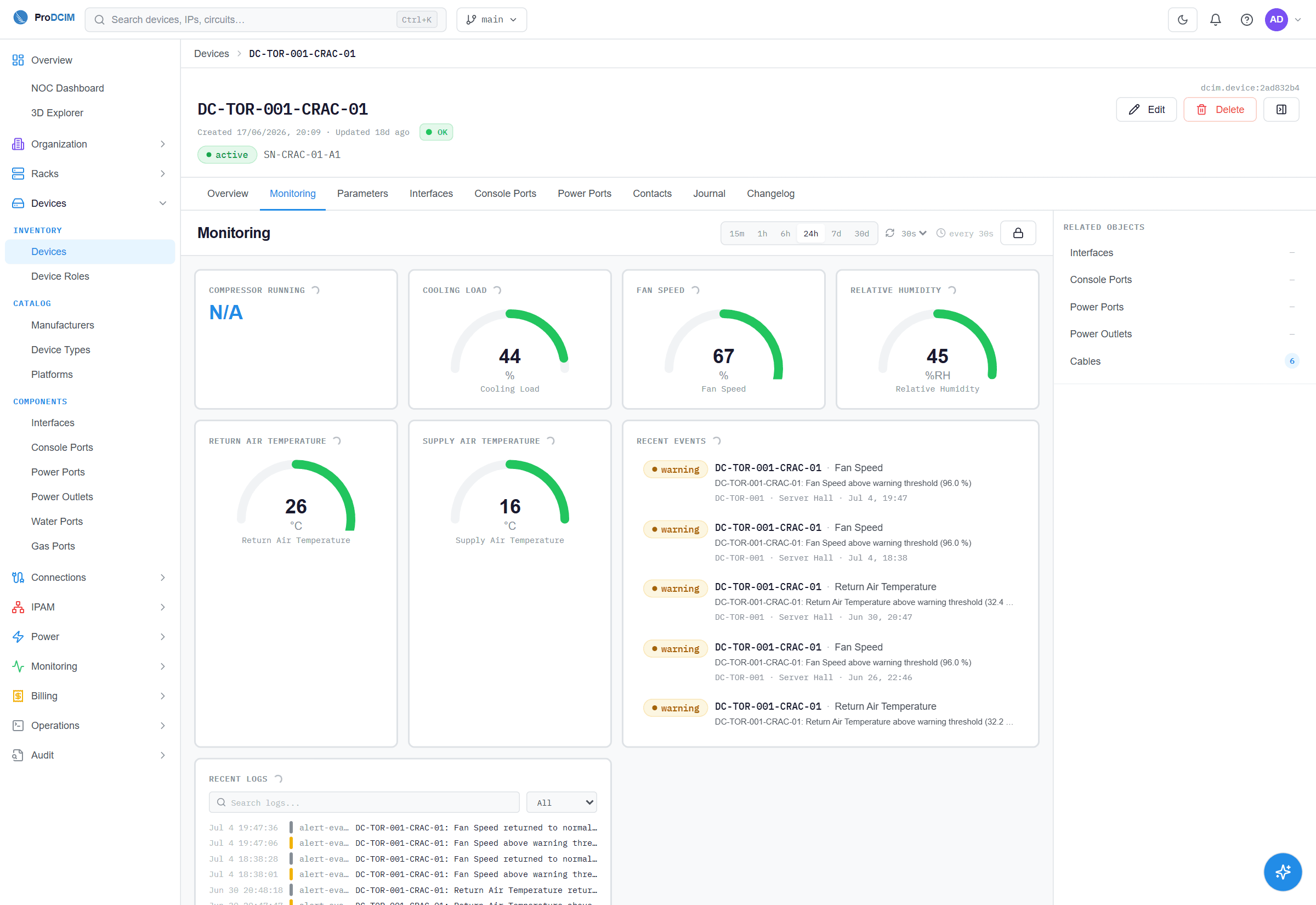
Beyond Static Thresholds: Engineering Reliability in Distributed Thermal Monitoring
Why fixed temperature alarms fail in high-density, distributed sites, and how edge-run statistical anomaly detection catches cooling failures before the heat spike.