
The Data Centre Operations Job Changed in 2026. Here Is What Actually Moved.
Denser racks, fewer qualified hands, costlier outages and a verdict on AI: what the 2026 shift in data centre operations looks like from the floor, and why another dashboard will not fix it.
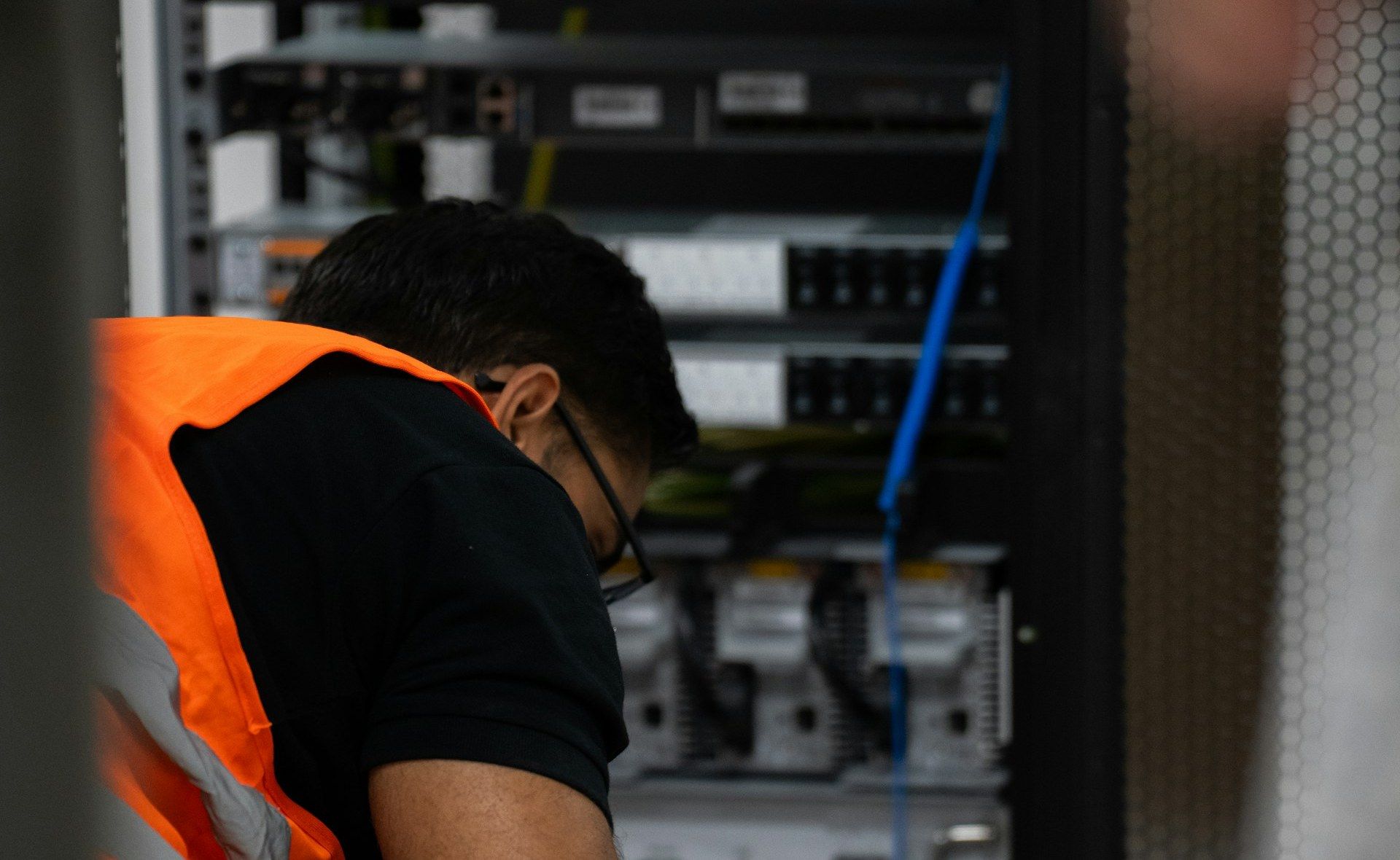
The job of running a data centre changed more this year than in the ten before it, and you can hear it before you can measure it. Walk into a hall that has taken its first 40 to 60 kW racks and the fan note is different: higher, angrier, and it does not settle at night. Uptime Institute's 2026 survey of more than 800 operators puts numbers on what the people on shift already know: racks are denser, qualified hands are harder to find, the serious outages are not going away, and nobody wants software flying the building. This is what that looks like from the floor.
What does a 40 to 60 kW rack feel like when it is yours?
I used to think of a rack as a thing I owned. At 8 kW you can. You know its breaker, you know which cold aisle it breathes from, and if the CRAC on that side trips you have most of an hour before anything in it cares.
A 50 kW rack is a different animal. It eats as much power as a small house, every hour, and it turns all of it into heat in a space the size of a wardrobe. The margin that used to be an hour is now a handful of minutes. The first time one of ours had a chilled-water valve stick half shut, the inlet temperature on the top servers climbed 9 degrees before anyone had finished reading the alarm text. We caught it. We also learned that "caught it" at that density means someone was already walking in that direction when the alert fired.
So the daily walk-through changed. It is no longer a lap of the hall with a clipboard. It is a check of specific things in a specific order: the rear-door coolers on the dense row, the manifold pressures, the two PDUs that run closest to their rating, the leak sensors under the quick-disconnects. The SOP that used to say "inspect the hall" now says which twenty points to look at and what number is normal at each one, because the next person doing the walk may have been here three weeks.
What changes when qualified hands are scarce?
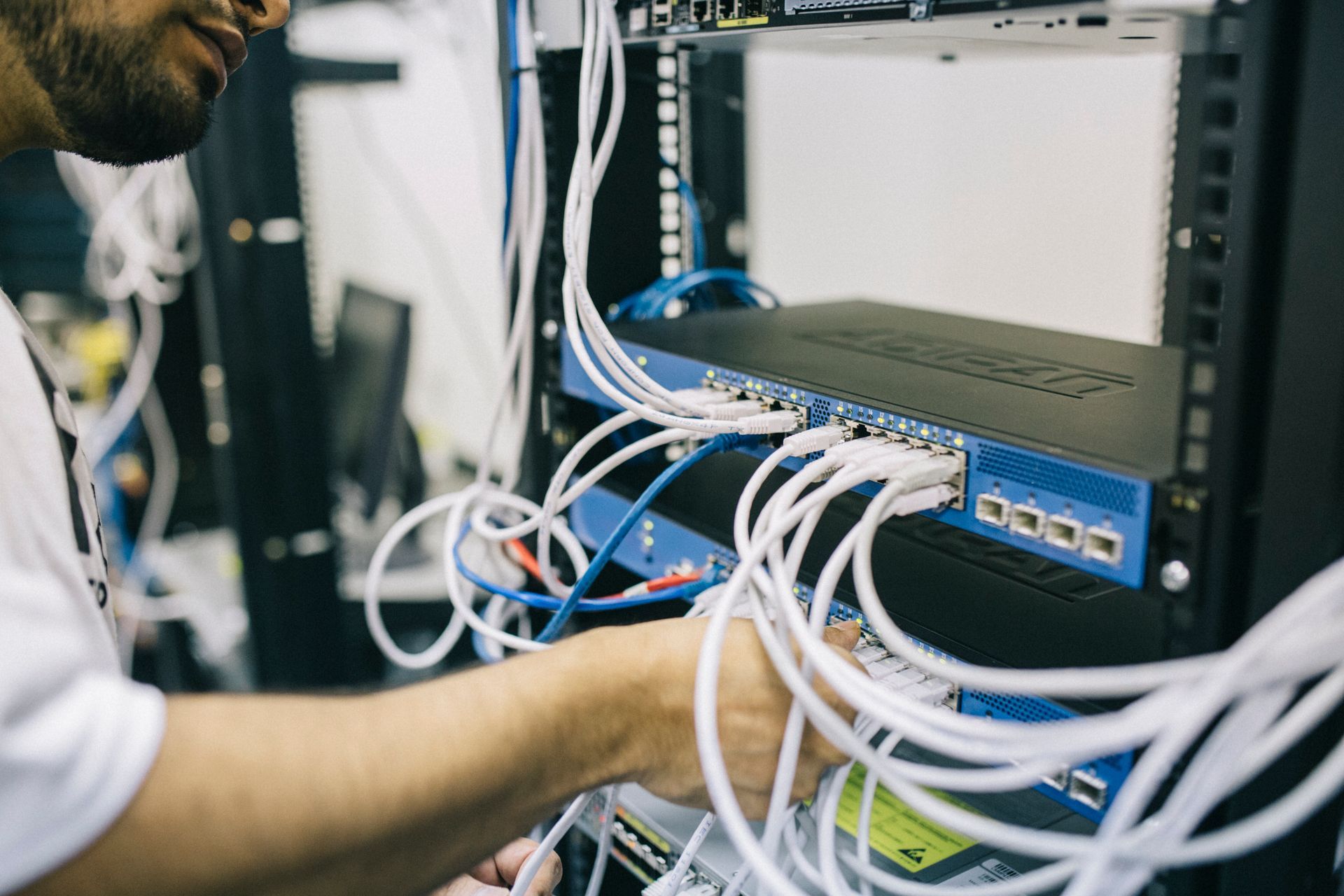
Uptime's finding that more than half of operators struggle to find qualified candidates is not an HR statistic to me. It is the reason our overnight shift is one person plus a phone.
Here is the practical effect. The person who answers the 3 a.m. alarm is increasingly not the one who commissioned the hall. They are competent and careful, and they do not have the map in their head that the old hands carried: which panel feeds which row, which chiller is the weak one, which sensor reads two degrees high and always has. Alert fatigue makes it worse. When the dense rows generate forty warnings a night and thirty-eight of them mean nothing, the thirty-ninth gets the same tired glance as the rest.
What has worked for us is boring and it is not hiring. We wrote the map down. Every alarm had to be traceable, before it fired, to a physical thing: this sensor, in this rack, on this circuit, cooled by this unit. Every procedure that lived in someone's memory became a numbered step with a photo. And the troubleshooting order for the dense rows was written by the people who knew them, for the people who did not yet.
Are outages really getting rarer?
Yes, and that is what makes the one that gets through hurt more. Uptime reports fewer operators experiencing an impactful outage over the last three years, but one in ten outages is still serious or severe, and the cost of those keeps climbing.
From the floor, the pattern of the serious ones has shifted. It is rarely a single big failure now. It is a small thing nobody connected to the next thing: a cooling unit on reduced capacity for a week, a dense row that was quietly running closer to its limit than the design said, and then one hot afternoon. Each of those was visible in some system. Nobody was looking at all three at once, because they lived in three places.
Where did operators land on AI, and were they right?
Uptime's respondents said they trust AI for the lower-risk layer, sensor data analytics and predictive maintenance, far more than for autonomous control. I think they are exactly right, and I think it is the most grown-up thing this industry has said about software in years.
I do not want a model deciding to open a valve in my hall. I want it to notice, three days earlier than I would, that chiller 2's approach temperature has been drifting, and to tell me in words a new technician understands. Reading the floor, not running it.
Why software alone will not save you
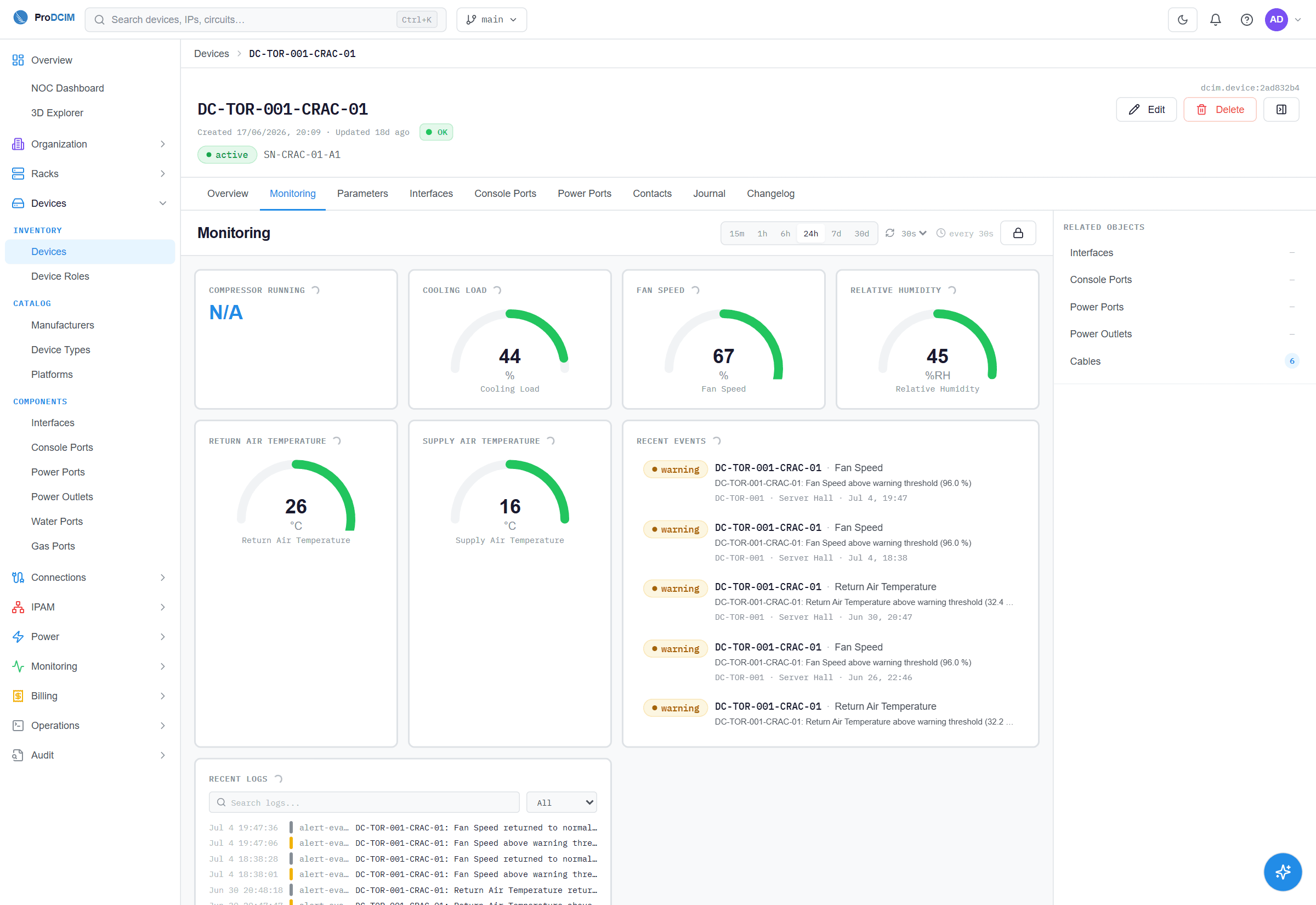
This is the part I feel strongly about, because I have watched it fail. Every facility I know has dashboards. Several. The BMS has one, the DCIM has one, the PDU vendor has one, the cooling vendor has one, and somebody built a Grafana board on top. Each is accurate. None of them is the operation.
A dashboard that is not wired to the physical floor is a screen. It cannot tell you the rack behind the alert. It cannot tell you that the breaker you are about to reset also feeds the leak detection on the row next door. It cannot connect a sagging flow reading in the cooling system to a rising inlet in the IT system, because those two numbers arrive in different tools owned by different teams and nobody has joined them.
What a lean team actually needs is one system that does three things end to end. It acquires the real data from the real equipment, the old Modbus chillers and the new liquid-cooling manifolds alike, not a sample of it and not an export. It knows the physical relationships, which circuit feeds which rack and which unit cools which row, so every signal arrives with its context already attached. And it turns that into a workflow: the alert, the likely cause, the first three things to check, and who is on shift to check them, in one place, on one screen, at 3 a.m. When the software is integrated with the floor like that, the newest person on the team can act like the most experienced one. When it is not, the dashboards just make the 3 a.m. problem look more colourful.
What I would tell another operations lead
Three things, from a year of doing this with fewer people and more kilowatts.
Write the map down before you need it. Every alarm to a physical asset, every asset to its circuit and its cooling, every procedure to numbered steps. It is tedious for a month and it is what lets you run a dense hall with the team you actually have.
Cut the noise at the source. Forty warnings a night is a configuration problem, not a staffing problem. Fix thresholds, group alarms by cause, and let the analytics flag drift so the person on shift sees ten things that matter instead of forty that do not.
Choose integration over another screen. If a tool cannot connect the physical data acquisition, the power and cooling infrastructure and the people's workflow into one picture, it will add to the problem it claims to solve.
Most of our own engineering year at Prochista went into that last point, bridging the old equipment on the floor to one picture a smaller team can work from. It is not the exciting end of this industry. It is the end that keeps the lights on with the people you have.
Sources
- Uptime Institute, 16th Annual Global Data Center Survey 2026, press release of 28 July 2026: https://uptimeinstitute.com/about-ui/press-releases/16th-annual-2026-global-data-center-survey-deployment-of-high-density-racks-rising-fast-operators-face-continued-recruiting-and-retention-pressures
- Uptime Institute, Global Data Center Survey 2026 (report page): https://intelligence.uptimeinstitute.com/resource/uptime-institute-global-data-center-survey-2026
See it on your own racks
Book a walkthrough mapped to your environment: monitoring, asset management and out-of-band resilience across every site.
More insights
Your Equipment Told You It Was Failing. Nothing Was Listening for the Pattern.
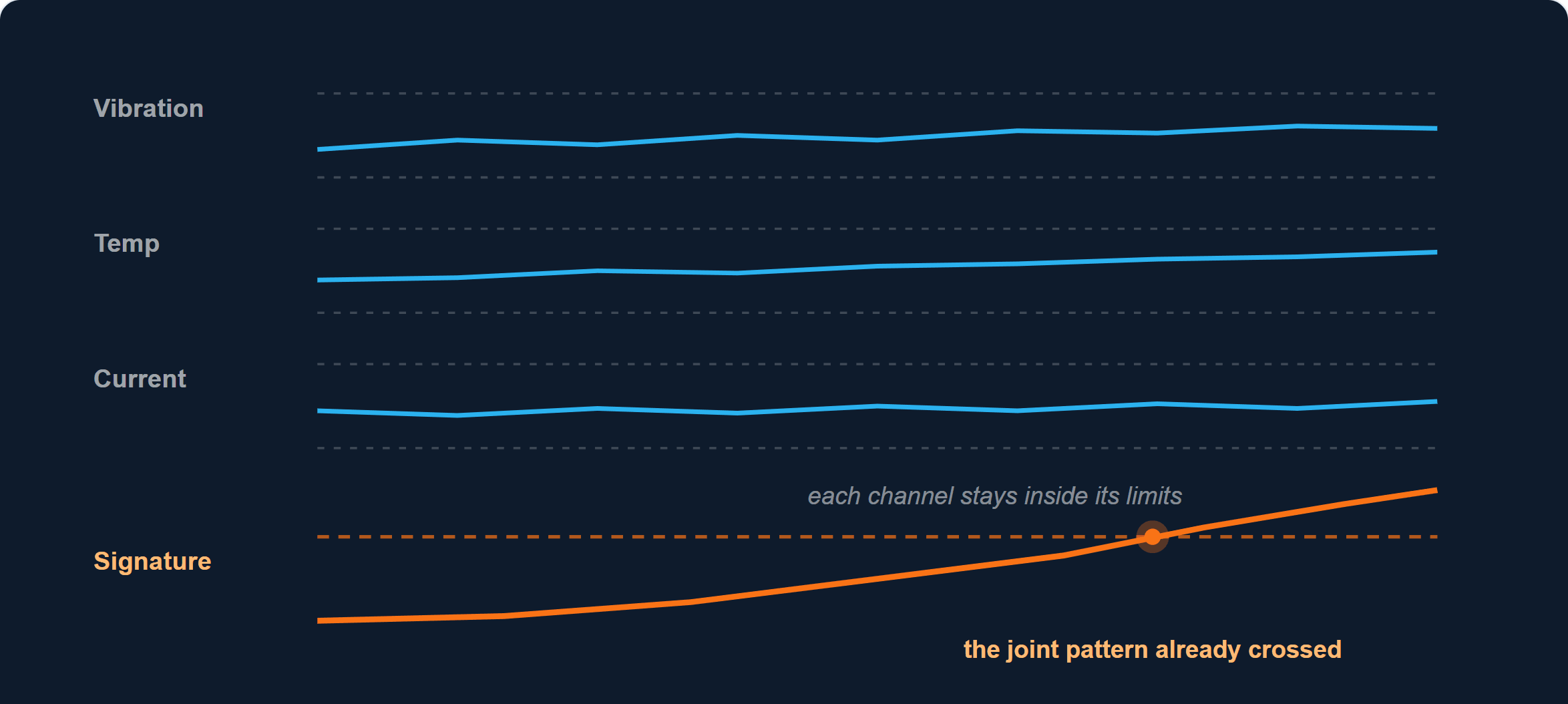
No single parameter exceeded its limit before failure. Every reliability engineer has read that line. The failure was still legible, weeks early, in how several in-range readings moved together. On the P-F curve, condition-based pattern detection buys the lead time a fixed threshold gives away.
Beyond Static Thresholds: Engineering Reliability in Distributed Thermal Monitoring
Why fixed temperature alarms fail in high-density, distributed sites, and how edge-run statistical anomaly detection catches cooling failures before the heat spike.
When the Link Dies: Why Out-of-Band Access Is the Missing Half of Monitoring
Every monitoring tool dies with the link it rides on, which means you lose visibility at the exact moment a site goes down. Out-of-band access is the missing half: a separate path home that survives the outage it's reporting. Here's how it works, what good looks like, and why it pays for itself in avoided truck rolls.